Amblyopia
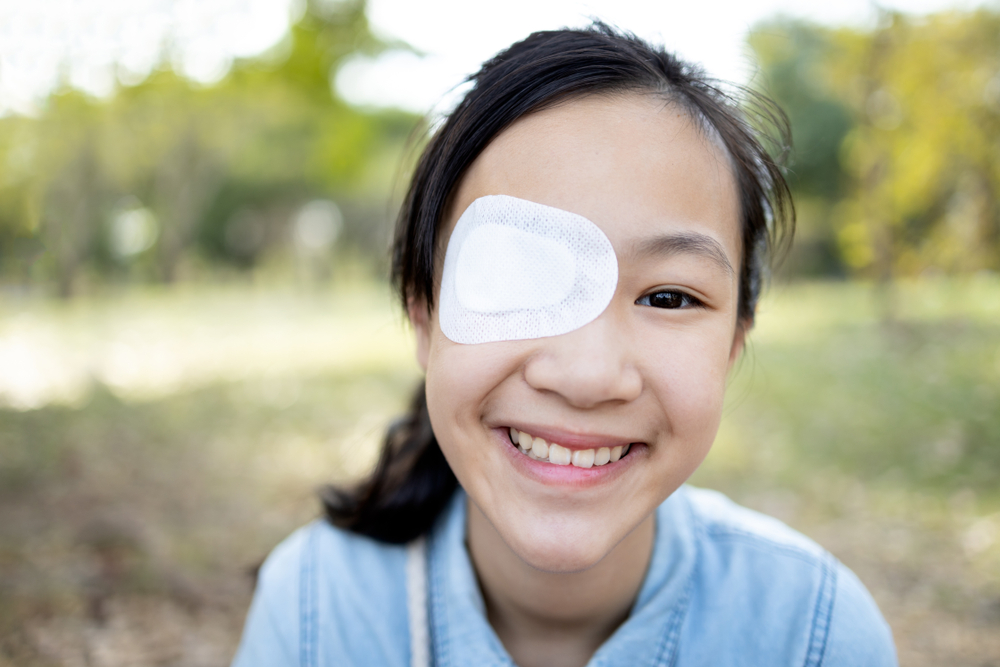
Amblyopia, also known as a “lazy eye”, is described as a reduced vision in one eye compared to the other. There are some rare forms of amblyopia that involve both eyes. Amblyopia is the most common cause of partial or total blindness in one eye in children.
The term lazy eye is misleading because the eye is not actually lazy. In fact, it is a developmental problem in the nerve connecting the eye to the brain, affecting the brain’s ability to use both eyes together. It is not a problem in the eye itself, but in the brain which actively ignores the visual input from the misaligned eye, leading to amblyopia in that eye.
In addition to poor visual acuity, people with amblyopia are more prone to having difficulties with depth perception, eye movements related to reading, and visual decision making while driving.
What Are The Causes of Amblyopia?
Amblyopia develops in childhood due to:
Significant differences in the prescription (refractive) status between the two eyes due to nearsightedness, farsightedness or astigmatism;
Constantly misaligned eyes or crossed eyes (strabismus);
- An obstruction of vision in early childhood i.e. cataract, ptosis (droopy eyelid)
It is important to note that, because amblyopia is typically a problem of infant vision development, symptoms of the condition can be difficult to detect. Symptoms may include noticeably favoring one eye over the other, an eye turn (either upward-downward outward or inward) or a tendency to bump into objects on one side.
The best way to identify children who are at risk for or already have amblyopia is by performing comprehensive eye examinations.
How Is Amblyopia Treated?
Amblyopia can be treatable at any age, although the earlier the problem is found and treated, the more successful the outcomes tend to be.
Many children who have anisometropia or unequal vision, do not know they have an eye problem because the stronger eye and the brain compensate for that shortage. Over time, the weaker eye gets progressively worse, and amblyopia develops.
Treatment may include
Glasses
To correct nearsightedness, farsightedness, or astigmatism. Glasses may also correct an eye turn. Sometimes, glasses solve the amblyopia, and no further treatment is required.
Using an eye patch
For the better-seeing, an eye patch may be required for several hours each day or all day long and may continue for weeks or months. A child should be encouraged to do close-up activities while wearing the patch, such as schoolwork, reading, or coloring. (Patches can be made colorful and fun to help the child accept it)
Atropine eye drops
Used to blur vision in the unaffected eye. Atropine is usually less awkward for the child, compared with a patch, and can be just as effective. Thus, children who cannot tolerate wearing a patch may be prescribed eye drops instead.
Luminopia®
Luminopia is the simple, engaging and effective FDA-cleared amblyopia treatment designed to improve vision in children 4-12 years old.
It is a VR headset in which the child has the opportunity to watch TV for 1 hour a day, 6 days a week instead of wearing an eye patch.
It’s comfortable, lightweight, and keeps patients engaged and distraction-free throughout treatment
Surgery
It is sometimes performed to improve the appearance of an eye turn, resulting in better alignment of the eyes. This may or may not improve vision.
When should children be checked for amblyopia?
Amblyopia often starts before there are any obvious signs that something is wrong. This is why babies and young children should have their eyes regularly checked.
- Between 6 months and 1 year of age
- At 3 years of age
- At 5 years of age
If there are any concerns that the child may be suffering from or developing a “lazy eye,” have him/her examined right away. Children with a family history of amblyopia are at a higher risk for developing it themselves.
Early diagnosing and treating increases the chance for a complete recovery. Amblyopia will not go away on its own. If not diagnosed until the preteen, teen or adult years, treatment will take longer and is often less effective. The sooner the treatment begins, the better.
Quick Links
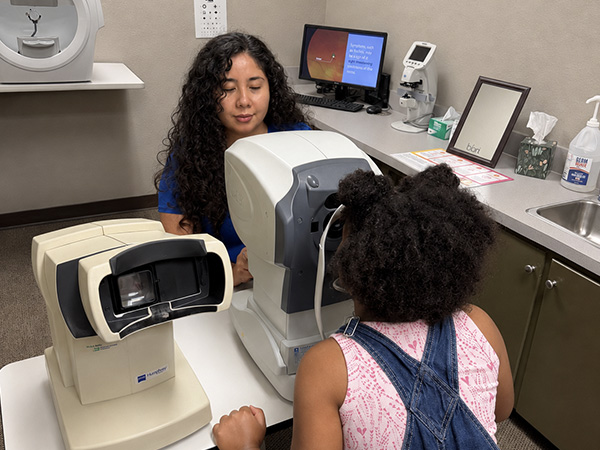
All Eye Care Services
Find personalized eye care excellence with our comprehensive services. From eye exams to advanced diagnostics, trust us for all your vision needs.
Keep In Touch
For non-urgent questions or to learn more about our services, contact us today!
© 2026 Whitney Family Eyecare. All rights Reserved - Accessibility Statement - Privacy Policy - Sitemap
Managed and Designed by 